


Top 5 Best European Cities to Explore Interwar Culture (1919–1939)
- Scott Rick

- Dec 3, 2025
- 5 min read

Europe between 1919 and 1939 was a continent balancing on the edge of hope and crisis. These two decades saw the birth of bold artistic movements, the flourishing of new democracies, and major advances in psychology, architecture, design, and literature. At the same time, extremist ideologies took root, economies collapsed, and political tensions festered.
The interwar period wasn’t merely a pause between conflicts, it was the crucible in which modern Europe was forged.
For students, educators, homeschool families, and cultural travelers, visiting the cities shaped by this era offers an unparalleled opportunity to understand how and why Europe changed so dramatically. These destinations are living classrooms, preserving the architecture, ideas, and stories of a generation that rebuilt, reinvented, and reimagined Europe in the shadows of two world wars.
Today we explore the top 5 best European cities to for interwar culture, revealing what makes each place vital to understanding the years between the wars.
Weimar, Germany
Birthplace of Bauhaus & Experimental Democracy

Weimar is one of the most important cities in the modern world - not because of its size, but because of its ideas. After Germany’s defeat in WWI, the new democratic government convened here to write the constitution of the Weimar Republic, believing the city’s classical heritage would lend legitimacy to a fragile political experiment.
At the same moment, another revolution was beginning. In 1919, architect Walter Gropius founded the Bauhaus in Weimar, creating a school that transformed architecture and design globally. Today, visitors can explore the Bauhaus Museum, filled with original furniture, models, and visionary concepts. The nearby Haus Am Horn, built in 1923, remains a striking example of the school’s functionalist, minimalist principles brought to life.
Walking through Weimar reveals a city that balanced classical tradition - Goethe, Schiller, and the German Enlightenment - with radical modernism. That tension makes Weimar a perfect lens for understanding the optimism and fragility of interwar democracy.
Berlin, Germany
A City of Art, Turmoil, and Transformation

If Weimar symbolized democratic aspirations, Berlin embodied cultural reinvention. During the 1920s, Berlin became the beating heart of avant-garde Europe. Cabarets electrified the nightlife. Filmmakers like Fritz Lang revolutionized cinema. Artists pushed the boundaries of Expressionism. LGBTQ+ subcultures flourished openly in ways unparalleled elsewhere on the continent.
Berlin’s museums preserve this legacy. On Museum Island, interwar movements can be traced through changing artistic styles. The remnants of Weimar-era theaters and cabaret halls still capture the glamour and chaos of a city that refused to sit still.
But Berlin also shows how quickly things can unravel. Political violence, hyperinflation, and street battles between extremists shook the city. The Topography of Terror Museum, built on the site of the former Gestapo headquarters, documents how Berlin transitioned from Europe’s most experimental city to the administrative center of a dictatorship.
Berlin’s interwar story is one of extremes - creativity unmatched anywhere else in Europe, and a political collapse that reshaped the world.
Paris, France
Where the World Came to Create

During the interwar years, Paris was unquestionably the cultural capital of the world. Writers, artists, dancers, and musicians from every continent flocked to its cafés and studios, creating a cosmopolitan community that still shapes the city today.
Visitors exploring Montparnasse can still feel the energy that drew the “Lost Generation.” Hemingway, Fitzgerald, Gertrude Stein, Pablo Picasso, Man Ray, Josephine Baker - the list of interwar giants who lived and worked here reads like a textbook of modern culture. Many of the original cafés remain, offering a glimpse into the gathering places where movements like Surrealism were born over wine, cigarettes, and endless debate.
The Art Deco architecture that flourished between the wars can still be admired at landmarks like the Théâtre des Champs-Élysées, while a walk through the Picasso Museum reveals how the trauma of WWI pushed artists in bold new directions.
Paris’s interwar years represent the triumph of imagination - an era when the city became a testing ground for the artistic and intellectual ideas that defined modernism.
Vienna, Austria
Where the Mind Was Reimagined

Although Vienna had lost its empire in 1918, it remained one of Europe’s intellectual powerhouses during the interwar period. Nowhere else so thoroughly reinvented an entire field of study as Vienna did with psychology.
A visit to the Freud Museum, located in Sigmund Freud’s former home and office, places travelers in the room where psychoanalysis emerged as a theory of the human mind. His writings during the interwar years influenced not only psychology but also literature, politics, and art.
Vienna was also a city of radical artistic exploration. The Secession Building, the home of the Viennese Secession movement, remained a symbol of artistic independence. Meanwhile, the cafés - Café Central, Café Landtmann, Café Hawelka - acted as “thinking salons,” where philosophers and musicians debated politics, ethics, science, and aesthetics.
Vienna’s interwar legacy lies in the ideas it produced: new conceptions of identity, introspection, and emotion that still shape how we understand ourselves today.
Barcelona, Spain
A Cultural Jewel Caught in the Storm
Barcelona’s interwar years were a roller coaster of artistic brilliance and political upheaval. The city was home to some of modernism’s most iconic achievements, including Gaudí’s continuing projects and a surge of Catalan innovation. But the interwar decades also brought conflict, culminating in the Spanish Civil War (1936–1939).
One of the most significant interwar landmarks is the Barcelona Pavilion, designed by Ludwig Mies van der Rohe for the 1929 International Exposition. Its sleek lines and minimalist structure became a turning point in modern architecture.
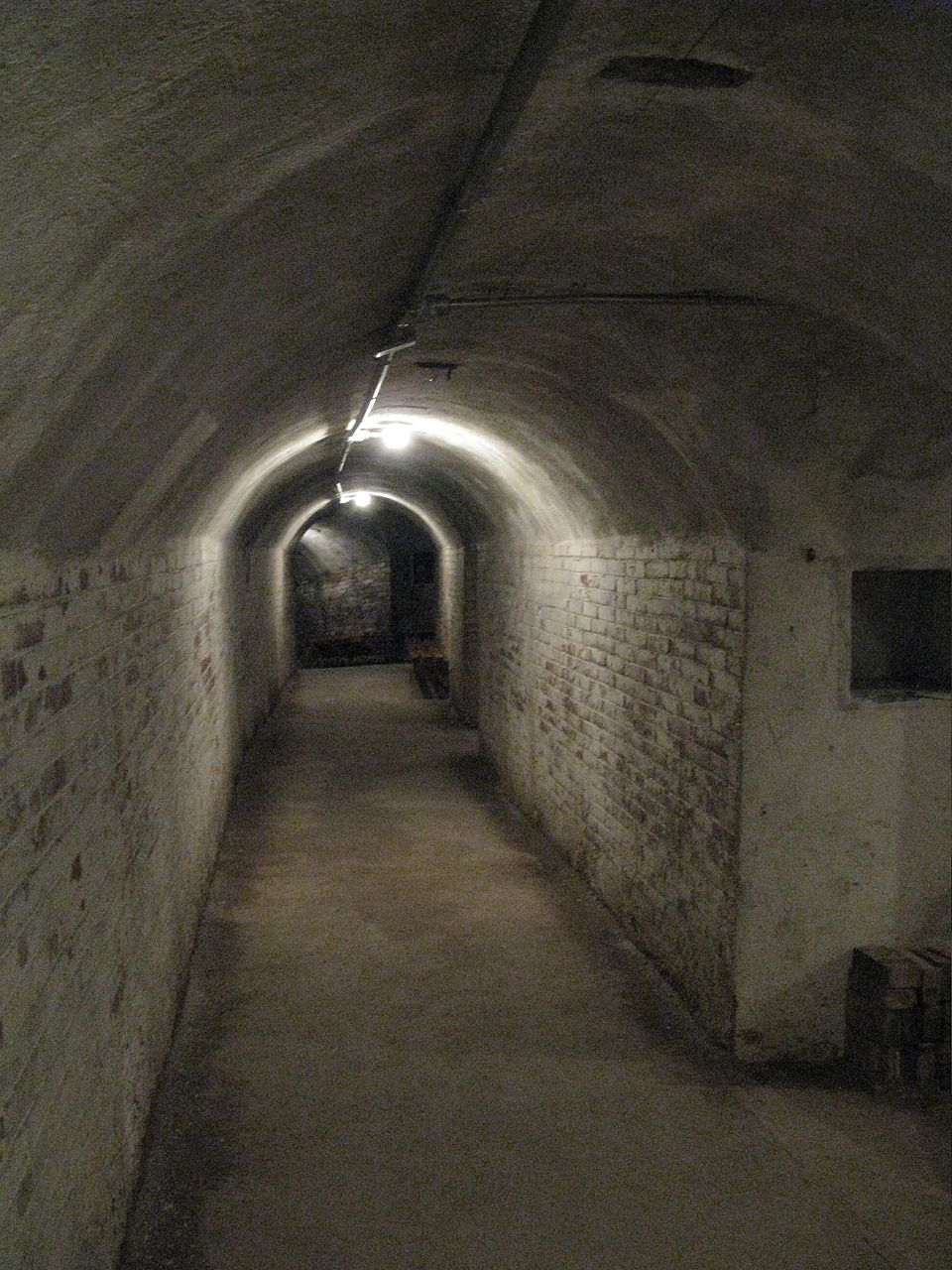
Barcelona’s museums and interpretive centers also engage deeply with the Civil War, offering glimpses into bomb shelters, resistance sites, and the social struggles that defined the 1930s.
The city’s interwar story blends artistic triumph with political tragedy, a combination that helps students understand how culture and conflict shaped each other.
Why These Interwar Cities Matter Today
The interwar period was a defining era - an age of innovation, reconstruction, and cultural flourishing, but also one of rising extremism and social unrest. Visiting interwar cities helps travelers understand:
how democratic societies attempt to rebuild after trauma
how art, architecture, and culture respond to political tension
how nationalism and modernism shaped European identity
how fragile - and precious - freedom and creativity can be
These destinations bring the interwar period to life. Standing in a Bauhaus studio, wandering through Paris’s Art Deco neighborhoods, or exploring Berlin’s Topography of Terror helps students and travelers experience the hopes and fears that defined Europe between the wars.
Plan Your Educational Travel Experience
At Storied Sojourns, we believe the best way to study history is to stand where it happened. From architecture-focused tours to literature walks and interwar cultural journeys, we build immersive experiences for schools, homeschool groups, and curious travelers.
If you’re ready to explore the cities that shaped modern Europe, we’re here to guide you every step of the way.


Comments